


In apparel manufacturing, a label is often treated as one of the final trims added before packing. It is small, inexpensive compared to fabric and labor, and easy to overlook during product development. Yet as the garment industry moves toward better quality control, product transparency and circularity, labels are becoming more important than ever.
For manufacturers, buying houses, designers and apparel start-ups, garment labels are no longer only about showing a brand name. They help identify products, communicate care instructions, support compliance and create a more reliable connection between the garment, the producer and the end user.
From Branding Detail to Product Information Tool
Traditionally, the main purpose of a brand label was recognition. A woven neck label, hem tag or size label helped customers remember who made the garment. That function still matters, especially for small fashion labels and independent makers trying to build trust.
However, modern apparel production requires more information at product level. Fiber content, country of origin, size, wash care, batch references and special handling instructions may all need to be communicated clearly. A poorly designed or unreadable label can create confusion for customers, retailers and quality teams.
This is why many brands now see custom clothing labels as part of the product development process, rather than a decorative decision made at the end.
Why Labels Matter for Quality Control
In garment factories, quality control depends on consistency. Labels help identify styles, sizes and batches during sewing, finishing, checking and packing. When label placement, spelling, size marking or care information is wrong, the result can be rework, shipment delays or customer complaints.
For example, an incorrect size label may pass unnoticed during production but create major problems at retail level. A missing care label can lead to improper washing, garment damage and unnecessary returns. A label that irritates the skin can affect customer satisfaction even if the garment itself is well constructed.
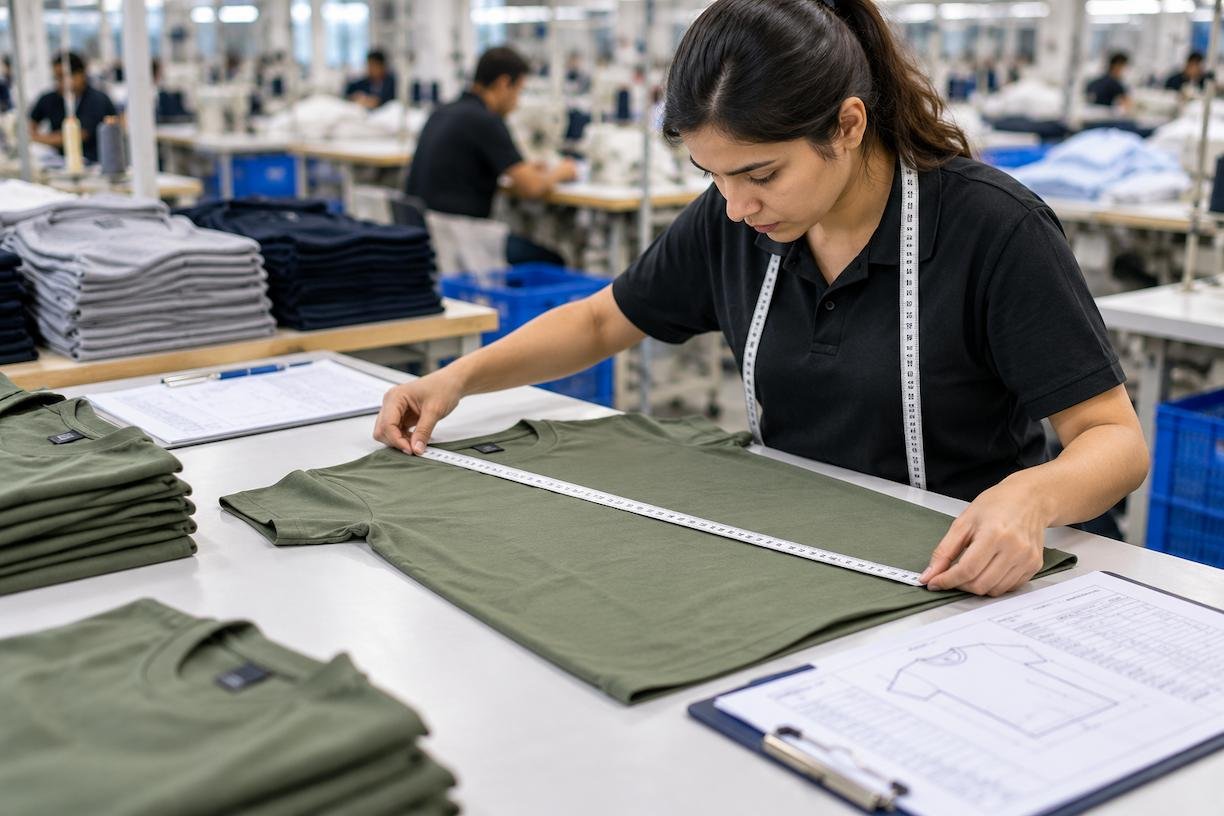
Quality controllers should therefore check labels with the same seriousness as seams, measurements, shade variation and trims. Label inspection can include readability, attachment strength, alignment, content accuracy and comfort against the skin.
The Role of Labels in Circular Fashion
The fashion industry is under pressure to reduce waste and extend the life of garments. In this context, labels play a practical role. Clear care instructions help consumers wash and dry clothing correctly, which can keep garments usable for longer. Material information can help sorters, repair services and recyclers understand what a product is made from.
As circular fashion develops, physical labels may also work together with digital tools. A QR code, serial number or product reference can connect a garment to online information about materials, care, repair, resale or recycling. This approach supports traceability without requiring every detail to be printed on a small fabric label.
For manufacturers, this means label planning may become part of a wider data system. The information printed or woven into a label should match the tech pack, purchase order, compliance documents and digital product records.
Choosing the Right Label for the Application
Different labels serve different purposes. Woven labels are durable and suitable for brand identity, neck labels, waistband labels and external details. Printed labels can be useful when designs include fine details, many colors or longer information. Care labels and size labels must be easy to read and comfortable enough for daily wear.
The attachment method also matters. Sewn labels are durable and suitable for most garments. Iron-on labels may be useful for small batches, samples or products where sewing is less practical. The right choice depends on fabric type, garment category, production volume, brand positioning and end-use.
A Small Component With Growing Importance
As apparel production becomes more data-driven, every component of a garment must support accuracy and transparency. Labels may be small, but they connect design, manufacturing, quality control, retail, care and end-of-life decisions.
For apparel professionals, the key lesson is simple: label planning should begin early. When labels are considered during product development, they can reduce errors, improve customer experience and support the industry’s move toward more responsible production.










Leave a Reply