

It is incredibly frustrating when a perfectly good garment starts pulling apart at the seams after just a few wears. This isn’t just an aesthetic issue; it’s a structural failure that can render a garment unwearable. In this article we have discussed the common reasons for seam slippage in finsihed garments and the common remedies for improving seam perfromance.

Understanding Seam Slippage: Why Garments Pull Apart
Seam slippage occurs when the yarns of a woven fabric pull away from the stitching line or slide over one another. Unlike a “burst” seam where the thread actually breaks, slippage leaves the thread intact while the fabric itself gaps open, exposing the structural “skeleton” of the weave.
This phenomenon is most common in fabrics with smooth, “slippery” yarns—like silks, synthetics, and satins—where there is little friction to keep the fibers in place.
Common Causes of Seam Failure
While fabric choice plays a huge role, several technical factors contribute to how easily a seam will slip:
- Grain Direction: Most slippage occurs in seams running parallel to the warp (the vertical yarns). Because warp yarns are often under higher tension during weaving, they are more prone to shifting when pulled horizontally.
- Fabric Construction: Fabrics with a low thread count (loose weaves) or unbalanced weaves (where one set of yarns is much thicker or smoother than the other) offer less “grip” for the stitches.
- Smooth Filament Yarns: Synthetic filaments are naturally slicker than natural staple fibers (like cotton), making it easier for them to slide out of the seam.
- Incorrect Sewing Settings: Using a low stitch count (fewer stitches per inch), loose thread tension, or an inappropriate stitch type can fail to provide the necessary “clamping” force on the fabric.
- Fabric Finishings: The excessive use of fabric softeners or lubricants during the manufacturing process can reduce the natural friction between yarns, encouraging them to slide.
Proactive Remedies to Improve Seam Performance
To prevent slippage and ensure a garment lasts, manufacturers and designers can implement the following technical adjustments:
1. Optimize Stitch Settings
- Increase Stitches Per Inch (SPI): A higher stitch density creates more contact points between the thread and the fabric, effectively “locking” the yarns in place.
- Tighter Tension: Ensuring the sewing machine tension is sufficiently firm (without puckering the fabric) helps the thread grip the yarns more securely.
2. Strengthen Seam Construction
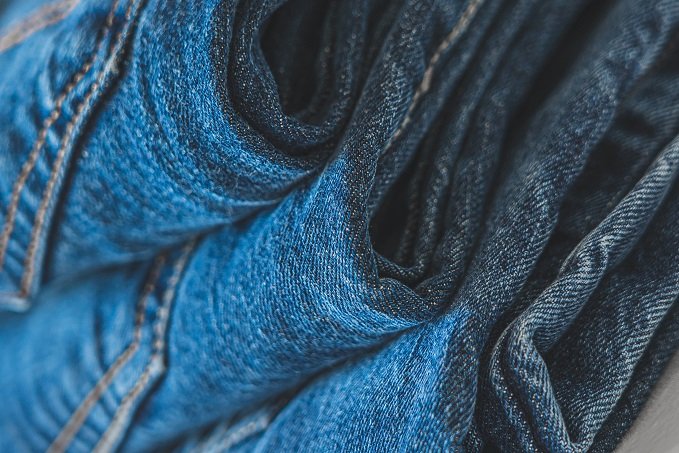
- Use Lapped or Felled Seams: Moving away from a simple plain seam to a lapped seam or a flat-felled seam (like those on jeans) adds mechanical strength by folding the fabric over itself.
- Double Row Stitching: Adding a second row of stitching provides a “backup” and distributes the stress over a larger area of the fabric.
3. Increase Seam Allowances
- A wider seam margin provides a larger buffer. The more fabric there is between the stitch line and the raw edge, the more resistance the yarns encounter before they can slide out completely.
4. Reinforce with Stabilizers
- Taping and Lining: For high-stress areas like armholes or waistlines, sewing a stay-tape or a strip of interfacing into the seam provides a non-slip foundation that anchors the fabric yarns.
- Bias Cutting: Whenever possible, cutting patterns on the bias (the 45-degree angle) can reduce slippage, as the diagonal orientation of the yarns naturally resists sliding compared to seams cut straight along the warp.
Related Post | Different Types of Seams in Garments – A Reference Guide








Leave a Reply