

Synthetic fabrics have changed the way modern garments are made. Today, sportswear, activewear, and casual clothing require fabrics that are lightweight, stretchable, durable, and comfortable. One such fabric widely used in the apparel industry is NS material, often referred to as NS Lycra fabric.
If you work in garment manufacturing, sourcing, or apparel merchandising, understanding NS fabric can help you choose the right material for different product categories.
What is NS Material?
In the textile and garment industry, NS commonly refers to Nylon Spandex or Nylon Stretch fabric. In some markets, suppliers also use the term NS to indicate a non-see-through fabric, highlighting its opacity and suitability for activewear and fitted garments.
NS fabric is known for its excellent stretch, recovery, comfort, and durability, making it a popular choice for garments that require freedom of movement.
Composition of NS Fabric
Although NS fabric is often associated with nylon, manufacturers use different fiber blends depending on the intended application and target price.
1. Nylon-Spandex Blend
This is the premium version of NS fabric and is commonly made with:
- 85% Nylon
- 15% Spandex (Lycra/Elastane)
This blend provides:
- A smooth and soft surface
- Excellent stretch and recovery
- High durability
- A cool and comfortable feel against the skin
Because of its premium performance, this fabric is widely used in high-quality sportswear and fitness apparel.
2. Polyester-Spandex Blend
A more economical option is made with:
- 85–88% Polyester
- 12–15% Spandex
This blend offers:
- Good stretchability
- Better stain resistance
- Easy sublimation printing
- Lower production cost
Many sportswear and promotional apparel manufacturers prefer this version because it combines performance with affordability.
Fabric Weight
NS fabrics are generally produced in the range of 130–160 GSM (grams per square meter). This medium-light weight makes them suitable for garments that need flexibility, comfort, and breathability.
Benefits of NS Fabric
The growing popularity of NS material comes from its ability to meet the performance requirements of modern apparel.
Excellent Stretch and Recovery
NS fabric offers four-way stretch, allowing the garment to move comfortably with the body. Even after repeated stretching, the fabric returns to its original shape, reducing issues such as sagging knees or loose elbows.
Comfortable and Breathable
The knitted structure allows air to circulate through the fabric, helping the wearer stay comfortable during workouts, outdoor activities, or daily use.
Moisture Management
Unlike cotton, which absorbs and retains sweat, NS fabric helps move moisture away from the skin. Sweat spreads across the fabric surface and evaporates quickly, keeping the wearer drier.
Durable and Long-Lasting
The fabric has good resistance to abrasion, pilling, and tearing. It can withstand frequent washing and regular use without losing its appearance.
Wrinkle Resistant
NS garments generally do not require ironing. The fabric maintains a neat appearance after washing and drying, making it convenient for everyday wear.
Non-Transparent Performance
Many NS fabrics are designed to remain opaque even when stretched. This feature is especially important for leggings, yoga wear, cycling shorts, and other body-fitting garments.
Common Applications of NS Material
NS fabric is used across a wide range of apparel products.
Activewear and Sportswear
- Gym T-shirts
- Compression garments
- Sports bras
- Running shorts
- Training tights
- Fitness leggings
- Joggers
- Tracksuits
- Track pants
- Casual lowers
- Travel wear
Outdoor Apparel
- Lightweight jackets
- Training wear
- Hiking trousers
- Windcheaters
Specialized Garments
- Swimwear
- Dancewear
- Cycling apparel
- Medical compression garments
Because of its versatility, NS fabric has become one of the most commonly used materials in performance apparel manufacturing.
How to Care for NS Fabric
Proper care helps maintain the stretch and performance of the fabric.
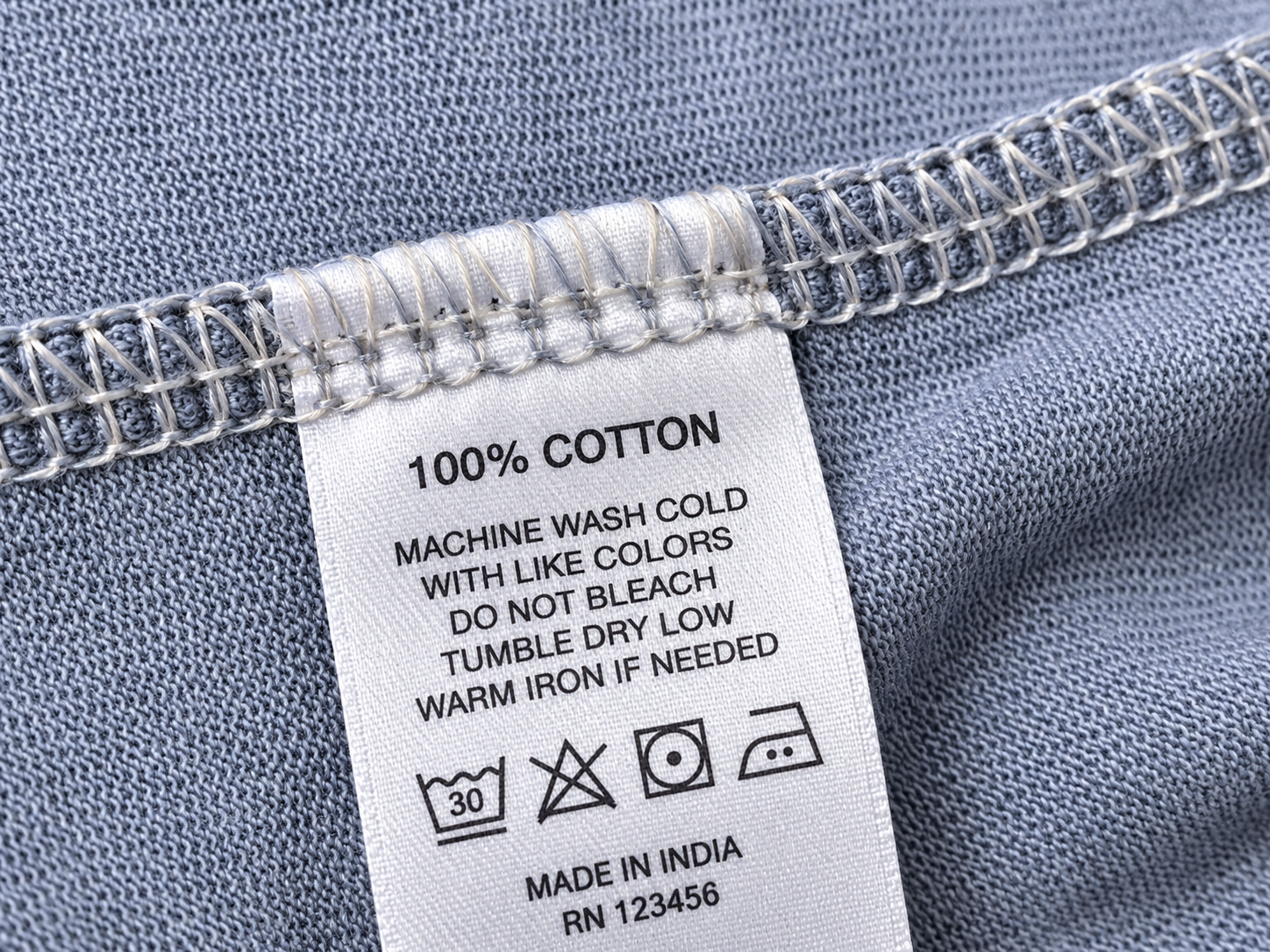
- Washing: Wash in cold or lukewarm water using a gentle machine cycle.
- Detergent: Use a mild detergent. Avoid fabric softeners, as they can reduce the moisture-wicking performance of the fabric.
- Drying: Air drying is the best option. If a dryer is used, select a low-temperature setting to protect the spandex fibers.
- Ironing: Ironing is generally not required. If needed, use a low heat setting and place a cloth between the iron and the fabric.
Is NS Fabric a Good Choice?
Yes. NS material is an excellent choice for garments that require stretch, comfort, durability, and ease of maintenance. Whether made from nylon-spandex or polyester-spandex blends, it delivers the performance needed for modern activewear and athleisure products.
For apparel manufacturers, buying houses, and fashion brands, NS fabric offers a practical balance between performance, comfort, and cost. This is why it continues to be one of the preferred fabrics for sportswear, fitness wear, and everyday stretch garments.
Conclusion
NS fabric has become a key material in today’s apparel industry. Its stretchability, breathability, moisture management, and durability make it suitable for a wide variety of garments. From gym wear and leggings to tracksuits and outdoor clothing, NS material provides the comfort and performance that modern consumers expect.
As demand for active and comfortable clothing continues to grow, NS fabric will remain an important choice for both garment manufacturers and apparel brands.
Note: This is an AI generated article





Leave a Reply