

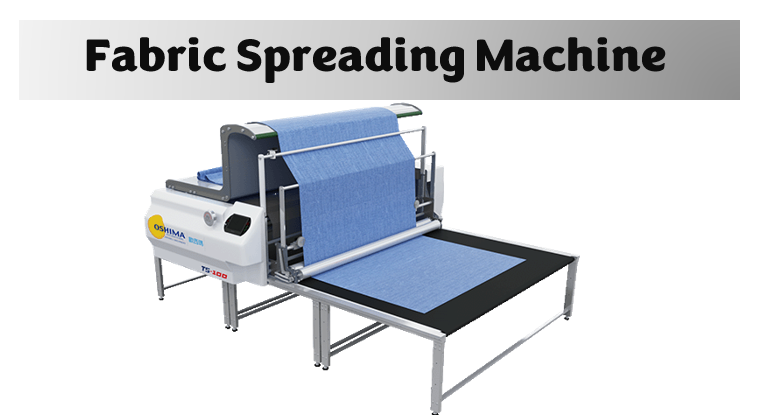
Fabric spreading is a key step in the garment manufacturing process, directly affecting cutting accuracy, material utilization, and overall production efficiency.
In modern factories, fabric spreading machines are widely used to improve consistency and reduce manual workload. This article explains what a fabric spreading machine is, how it works, and why it plays an important role in garment production. It also includes a comparison between manual and automated spreading methods to highlight their impact on productivity and efficiency.
What is a Fabric Spreading Machine?
A fabric spreading machine is a device used to lay fabric evenly onto a cutting table in multiple layers before the cutting process. It ensures that the fabric is aligned, tension-controlled, and properly positioned for accurate cutting.
While spreading can be done manually, automated spreading machines are widely adopted in modern production for their ability to deliver higher consistency and efficiency.
How Does a Fabric Spreading Machine Work?
A fabric spreading machine moves along the length of the cutting table while dispensing fabric from rolls. During this process, it performs several important functions:
- Fabric alignment: Ensures edges are straight and consistent
- Tension control: Prevents stretching or distortion of the fabric
- Layering accuracy: Maintains uniform layer length and height
Some systems also include features such as automatic edge alignment or cutting at the end of each ply to streamline the process.
Related Article | Understanding Spreading Modes for Different Fabric Types in Cutting
Advanced Features in Modern Fabric Spreading
In more advanced production environments, fabric spreading systems may be integrated with digital technologies to further improve process control and efficiency.
Some spreading systems are connected to IoT-based platforms, allowing production data such as spreading length, layer count, and machine status to be monitored in real time. This improves visibility across production lines and supports more informed decision-making.
In addition, certain systems are equipped with projection technology that displays cutting markers or defect areas or defect mapping information directly onto the fabric during the spreading process. This allows operators to visually check whether defects will affect cutting and make immediate adjustments accordingly, reducing rework time.
These capabilities help reduce material waste, improve cutting accuracy, and enhance overall production consistency.
Common Challenges in Fabric Spreading
Fabric spreading requires careful control to ensure consistent results. Improper handling may lead to several issues that affect downstream processes.
Fabric Distortion
Incorrect tension during spreading can stretch or deform the fabric, leading to inaccurate cutting and poor garment fit.
Misalignment
Uneven edges or improper alignment may cause pattern mismatch, increasing material waste.
Inconsistent Layering
Variations in layer length or stacking can affect cutting precision and production efficiency.
How to Improve Fabric Spreading Quality
To achieve better spreading results, manufacturers should focus on the following practices:
- Maintain proper tension control to prevent fabric distortion
- Ensure accurate edge alignment throughout the spreading process
- Monitor layer consistency to support precise cutting
- Adjust spreading methods based on fabric type and characteristics
Regular process monitoring and operator training also play an important role in maintaining stable production quality.
Manual vs. Automated Fabric Spreading Methods
In garment production, fabric spreading can be performed either manually or with automated systems. The differences between these methods can significantly impact productivity, labor requirements, and overall consistency.
These differences highlight how automated spreading improves efficiency and reduces dependency on manual labor while maintaining consistent quality.
How Fabric Spreading Improves Production Efficiency
1. Improved Cutting Accuracy
Consistent spreading ensures that cutting patterns are applied correctly, reducing errors and rework.
2. Better Material Utilization
Accurate alignment and layering help minimize fabric waste.
3. Reduced Labor Intensity
Automated spreading reduces manual workload and improves overall workflow efficiency.
Conclusion
Fabric spreading is a fundamental step in garment production that directly impacts cutting quality and production efficiency.
By improving spreading consistency and process control, manufacturers can achieve better product quality, reduce waste, and optimize their production workflow.
Reference Link:










Leave a Reply